
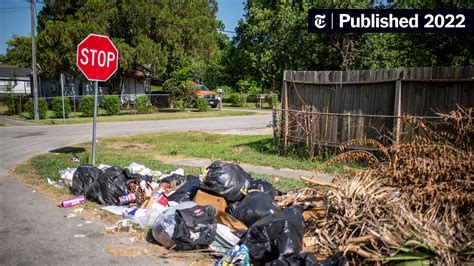
Houston Texas Environmental Racism is a long-standing pattern where marginalized communities face disproportionate exposure to air, water, and soil pollution. In Houston, this reality affects families, workers, and children who live near industrial corridors, landfills, and aging infrastructure. This article explains why Houston Texas Environmental Racism persists, who it harms, and what can be done to reduce these inequities.
Key Points
- The historical placement of industrial facilities and waste sites often sits adjacent to low-income and minority neighborhoods, a pattern reinforced by past zoning decisions and disinvestment.
- Regulatory oversight and monitoring can be uneven, leading to greater exposure in communities with fewer resources to advocate for testing and enforcement.
- Health disparities are a core consequence, with higher rates of asthma, cardiovascular issues, and related illnesses reported in affected Houston neighborhoods.
- Housing, land values, and access to clean amenities are shaped by environmental injustice, creating a cycle of vulnerability for families living near pollution sources.
- Community organizing, transparent data, and targeted policy reforms offer pathways to reduce risk and empower residents to demand cleaner environments.
What makes Houston Texas Environmental Racism persist?
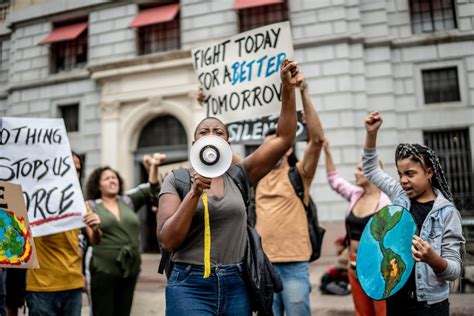
In Houston, environmental burdens are not distributed randomly. Houston Texas Environmental Racism persists because of a mix of historical decisions, current enforcement realities, and the way industrial and transportation infrastructure are clustered in or near communities with fewer political and economic barriers. This convergence means that everyday exposures—dust, odors, water contamination, and heat island effects—are experienced most acutely by residents who already face economic and social stressors.
Historical patterns that shaped risk
Past zoning, redlining, and limited investment in minority neighborhoods helped locate refineries, chemical plants, and waste facilities along corridors that intersect with communities of color and low income. Over time, these patterns became embedded in Houston’s urban landscape, making environmental risk feel like a routine part of daily life for some residents.
Current realities that amplify exposure
Today, air pollutants, industrial emissions, and aging water systems continue to place burdens on certain neighborhoods. Factors such as traffic density, proximity to the Ship Channel, and limited access to green space contribute to higher exposure and heat stress, especially for children and the elderly.
Who is most affected
People of color, immigrant families, and low-income residents are more likely to live near pollution sources and less likely to have the political power to demand change. This reality translates into tangible health and economic differences that persist across generations.
Who it harms and how
The harms of Houston Texas Environmental Racism extend beyond air or water quality. They include health risks, economic stress, and reduced opportunities for well-being. Families in affected areas often face barriers to improved housing, access to healthcare, and the ability to advocate effectively for cleaner neighborhoods.
Health impacts
Exposure to pollutants can raise the risk of asthma, COPD, cardiovascular disease, and certain cancers. Children are particularly vulnerable to air toxins because their developing bodies are more sensitive to environmental hazards.
Economic and social effects
Environmental burdens can affect property values, school quality, and local business development. When neighborhoods contend with pollution, families may face higher healthcare costs and disrupted daily routines, from missed days at school to restricted outdoor activities.
Environmental justice as a community priority
Communities across Houston are increasingly demanding better data transparency, stronger protections, and more equitable investment in air, water, and green infrastructure. Building local leadership helps translate concerns into policy changes that reduce risk over time.
Root causes and contributing factors
The persistence of Houston Texas Environmental Racism can be traced to a mix of structural factors, including policy gaps, uneven resource distribution, and limited cross-sector collaboration. Addressing these root causes requires sustained attention to data, enforcement, and community-led planning that centers health, safety, and dignity for all residents.
Paths toward a healthier, more equitable Houston
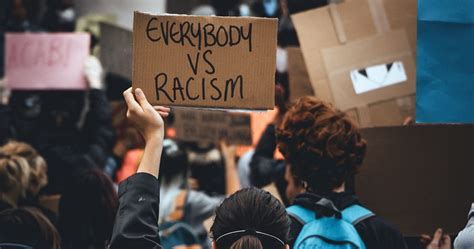
Improvements will come from a combination of stronger environmental justice standards, better data sharing, and investments aimed at reducing exposure in high-risk neighborhoods. Local governments, state agencies, environmental groups, and community organizations can work together to:
- Expand pollution monitoring in vulnerable neighborhoods and publish results in accessible formats.
- Strengthen siting and permitting rules for new facilities near residential areas.
- Increase green infrastructure investments to reduce heat and filter air and water quality.
- Support community-led research and resident-driven solutions to address neighborhood-specific risks.
- Ensure equitable access to healthcare, housing, and educational resources to counteract long-term impacts.
What is Houston Texas Environmental Racism, and how does it show up in daily life?
+Houston Texas Environmental Racism describes how environmental hazards disproportionately affect communities of color and low-income neighborhoods. In daily life, this can mean closer proximity to pollution sources, more odors or smoke, higher exposure to polluted water or soil, and greater vulnerability to heat and extreme weather. These conditions often translate into higher health risks and fewer resources to address them.
<div class="faq-item">
  <div class="faq-question">
    <h3>Which areas in Houston are most affected by environmental injustice?</h3>
    <span class="faq-toggle">+</span>
  </div>
  <div class="faq-answer">
    <p>Communities along the industrial corridors near the Ship Channel and certain East and Southeast Houston neighborhoods have faced disproportionate risks. While experiences vary, several districts with higher shares of renters, people of color, and low-income residents report greater exposure to air and water pollutants and related health concerns.</p>
  </div>
</div>

<div class="faq-item">
  <div class="faq-question">
    <h3>What steps can residents take to address environmental racism in their areas?</h3>
    <span class="faq-toggle">+</span>
  </div>
  <div class="faq-answer">
    <p>Residents can engage with local environmental groups, attend public hearings, and request pollution data for their neighborhoods. Collaborating with community leaders to advocate for stronger permits, cleaner facilities, and better health services helps amplify urban environmental justice efforts. Building coalitions with schools, faith organizations, and neighborhood associations can also drive accountability and practical improvements.</p>
  </div>
</div>

<div class="faq-item">
  <div class="faq-question">
    <h3>How can policy change reduce Houston Texas Environmental Racism?</h3>
    <span class="faq-toggle">+</span>
  </div>
  <div class="faq-answer">
    <p>Policy changes that matter include tighter environmental justice criteria in permitting, enhanced monitoring and transparency of pollution data, targeted investments in affected communities, and stronger funding for health and housing programs. Aligning local, state, and federal efforts to prioritize vulnerable neighborhoods can create lasting reductions in exposure and improved outcomes for residents.</p>
  </div>
</div>