
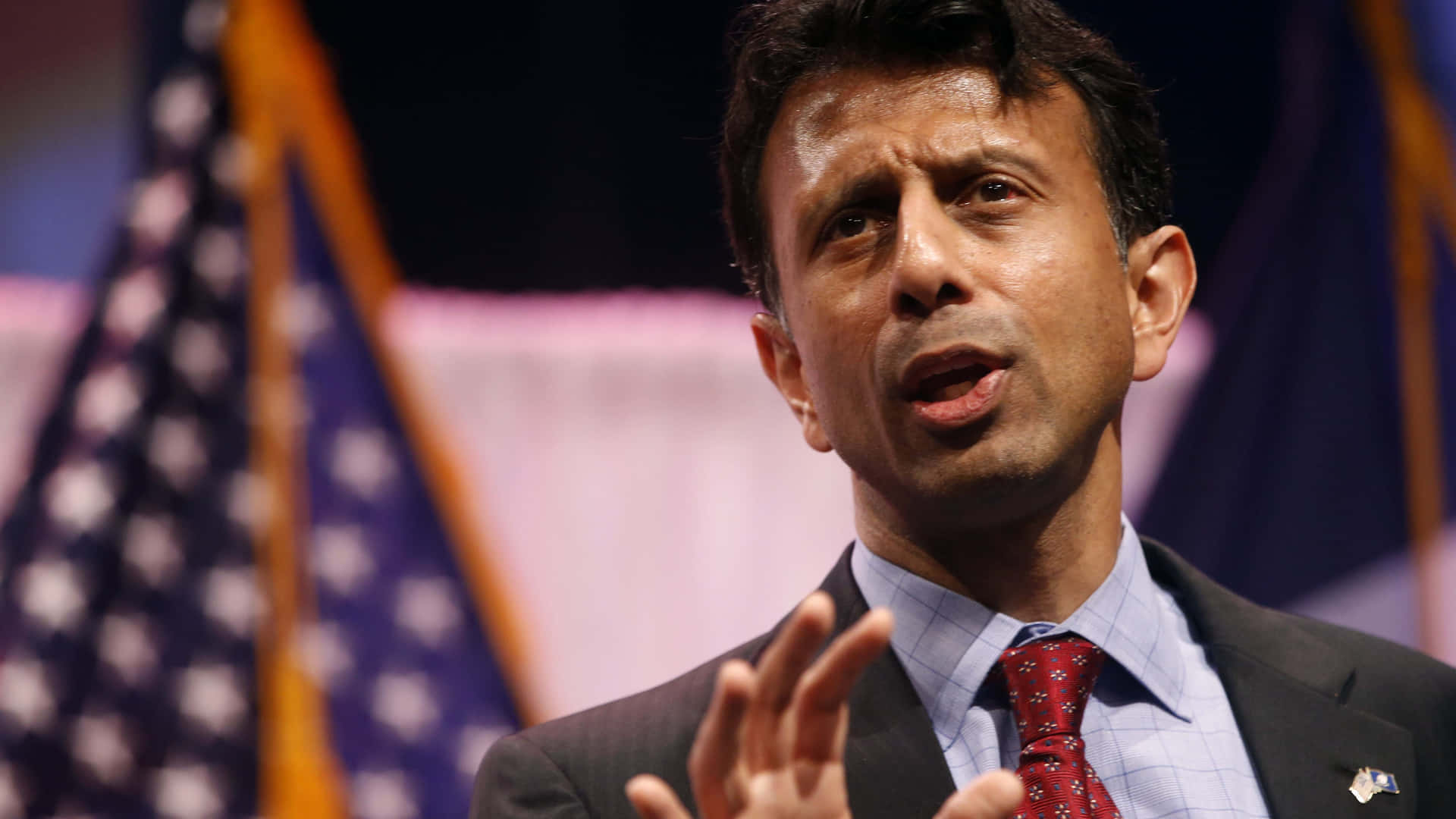
Examining the Bobby Jindal Voting Record reveals surprising contrasts between rhetoric and action. This article explores how public messages line up with legislative choices, and what those patterns might mean for voters and researchers.
Bobby Jindal Voting Record: Surprising Contrasts
Key Points
- Pattern: broad alignment with national party lines on high-profile issues, paired with selective votes that favored regional priorities.
- Fiscal stance: calls for fiscal discipline in public rhetoric, yet votes that supported targeted spending for Louisiana needs.
- Social policy signals: strong conservative messaging while votes showed a willingness to support incremental reforms in education and healthcare where state input mattered.
- Governance versus legislating: as a public executive, Jindal emphasized decisive action; in Congress, his votes reflected a blend of party loyalty and pragmatic compromise.
- Time-based shifts: patterns evolved as Louisiana’s political landscape changed, suggesting responsiveness to both national dynamics and state-level concerns.
Context and Analysis
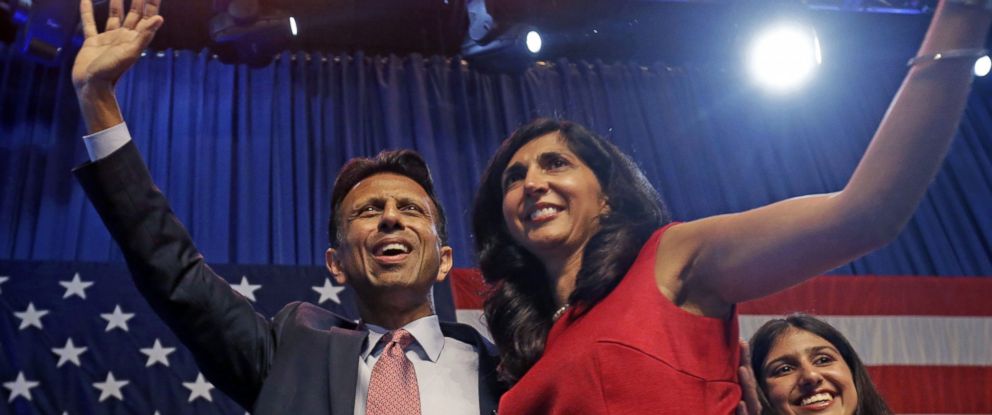
During his time in Congress, the Bobby Jindal Voting Record began to attract attention for contrasts between his campaign rhetoric and the actual legislative choices. Observers note that his early votes aligned with fiscally conservative priorities, while later votes sometimes reflected state-specific compromises. As governor, Jindal emphasized reform and efficiency, a stance that timing and circumstances shaped differently from federal-level votes. These dynamics illustrate how a public official can navigate different branches of government while maintaining a recognizable policy thread.
Analysts often point to the tension between national party cohesion and the practical needs of Louisiana residents. The Bobby Jindal Voting Record, viewed through this lens, highlights how leadership style and governing context can influence voting behavior. Readers looking for a simpler one-line summary will find that the contrasts are nuanced rather than uniformly partisan.
Implications for voters
For those assessing political leadership, the contrasts in the Bobby Jindal Voting Record suggest that a single label may not capture the full picture. Voters might weigh how executive priorities translate into legislative votes and how regional considerations shape policy trade-offs.
How does the Bobby Jindal Voting Record reflect federalism in practice?
+The Bobby Jindal Voting Record shows a mix of alignment with federal party positions and responses to state needs, suggesting a pragmatic approach to balancing federal and state powers rather than a strict binary.
Did his votes ever diverge from party lines due to Louisiana priorities?
+Yes, nuanced moments in the Bobby Jindal Voting Record indicate occasional deviations aimed at addressing local concerns, illustrating how regional considerations can influence federal voting choices.
What can we learn about leadership style from the voting pattern?
+The contrast between decisive executive action and collaborative legislative behavior in the Bobby Jindal Voting Record highlights how leadership can adapt to different governing environments while pursuing core policy goals.
How should voters interpret these contrasts when evaluating public figures?
+Voters might consider consistency across contexts, the ability to advance state priorities, and the willingness to compromise when necessary. The Bobby Jindal Voting Record can be read as a case study in balancing ideals with practical governance.